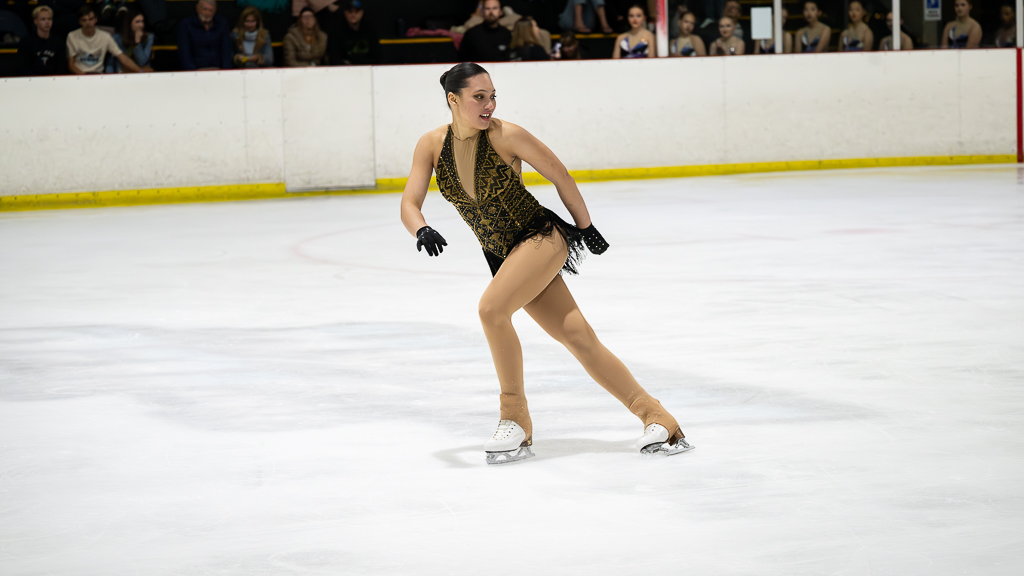
When Gian-Quen Isaacs stepped onto the ice at the ISU “Skate to Milano” Olympic Qualifier in Beijing earlier this month, she did so with the weight of her country, her family, and her own hard-fought journey pressing on her shoulders. Though the 20-year-old finished 15th overall with a personal-best international score of 135.93 points, the result told only part of the story. Behind her performance lies a tale of resilience, sacrifice, and an unwavering belief that South Africa belongs on the figure skating stage.
A Battle Just to Compete
Isaacs’ path to Beijing was anything but straightforward. In fact, she wasn’t even sure she would be on the start list. While training in Bergamo, Italy, she watched her peers receive their official notices of selection for the qualifier, but no word came for her. “That uncertainty was overwhelming,” she admits. “I was training every day, preparing as if I was going, but I was the only one who wasn’t told whether I was in or out.”
Her Italian coach advised her to return home to South Africa and prepare her visa paperwork, just in case. It was during the long journey back, while in transit through Frankfurt Airport, that the news came: Isaacs had not been selected. “I literally facepalmed in the middle of the airport,” she recalls. “I could’ve stayed in Bergamo, continued working on my new program, and competed in an upcoming event in Italy. Instead, I was heading home.”
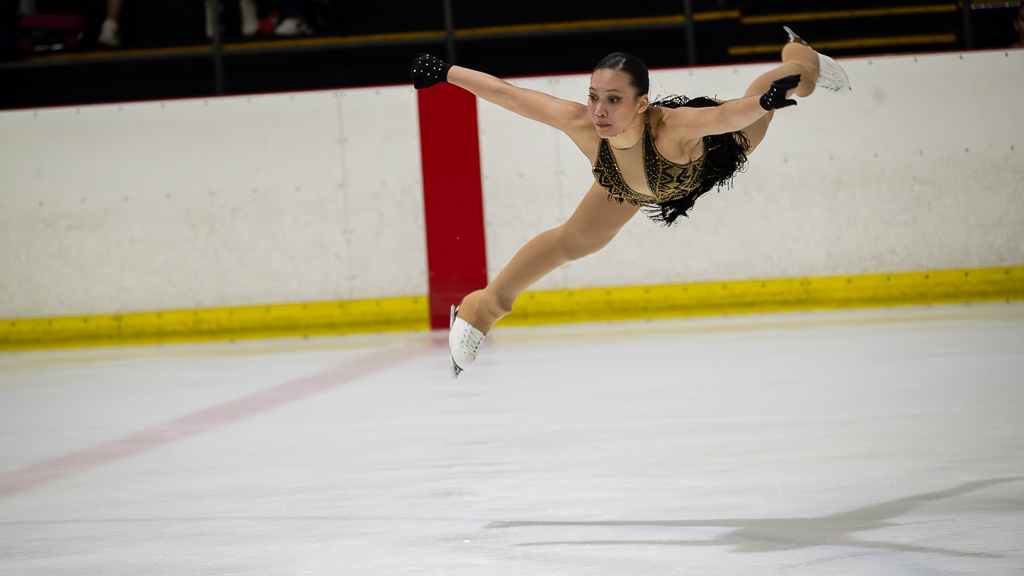
Gian-Quen Isaacs: A tale of a pure figure skating talent. And her resilience, sacrifice, and an unwavering belief that South Africa belongs on the figure skating stage. Image Credit and Copyright: Sport South Africa
That sense of deflation weighed heavily. Having mentally shifted from full preparation to disappointment, Isaacs was left in limbo. Amid the uncertainty, her coach lodged an appeal with the South African Figure Skating International Selections Committee. In response, the Committee convened an emergency meeting to reconsider the decision and ultimately ruled in her favour.
With limited time before the qualifier entry deadline, a funding plan was swiftly put in place by the family, Isaacs chose to move forward and compete in Beijing, motivated by the opportunity not only to represent South Africa but to ensure the country remained competitive on the international stage.
Grounded by Rituals and Resilience
Once in Beijing, Isaacs drew on familiar routines to stay grounded. “Spaghetti Bolognese the night before has been a ritual since my juvenile girls’ days,” she laughs. Off the ice, she crochets to calm her nerves, visualises her programs, and avoids social media to remain centred.
For her, success is not about medals alone. “It’s about growth and showing up, especially on the tough days,” she says. “If I’ve given everything I had and kept showing up when it wasn’t easy, that’s success to me.”
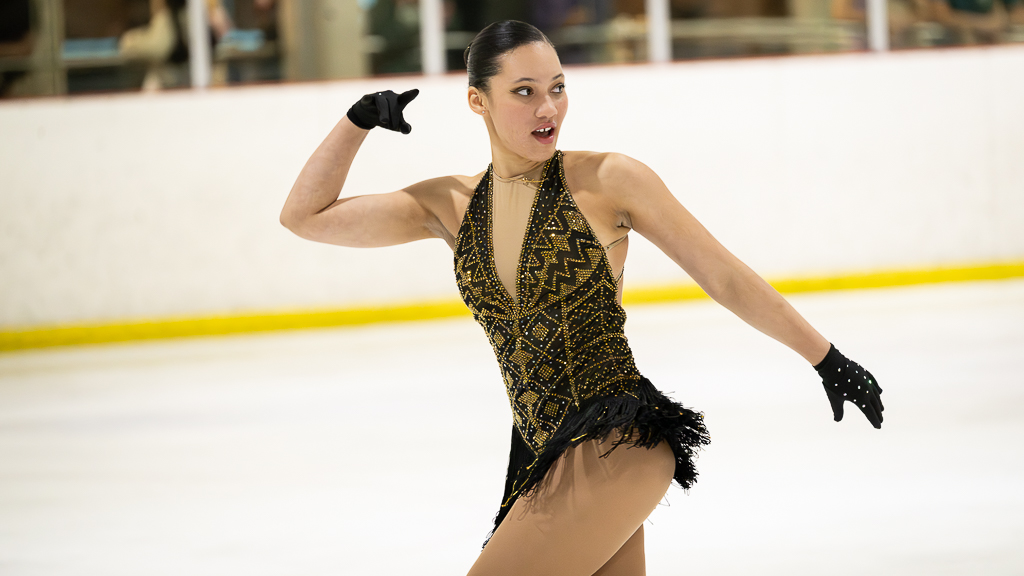
Gian-Quen Isaacs: A tale of a pure figure skating talent. And her resilience, sacrifice, and an unwavering belief that South Africa belongs on the figure skating stage. Image Credit and Copyright: Sport South Africa
Carrying Ubuntu With Her
Isaacs’ identity as a South African athlete gives her an extra layer of purpose on the international circuit. “We’re sewn together by grit, resilience, and sheer determination, and I carry the spirit of Ubuntu with me wherever I go,” she explains. “Stepping onto the ice, I represent more than just myself. I carry my country, my community, and that shared strength.”
That outlook shapes her broader vision: opening doors for future skaters back home. “I want young athletes to know that your circumstances don’t define you. I’m here because I refused to be defined by other opinions, and I hope my path shows others that they can keep going too.”
Learning Through Setbacks
Her resilience was forged in some of the hardest seasons of her career, including missing out on the Beijing 2022 Winter Olympics and later battling COVID-19. “There were moments I questioned everything,” Isaacs admits. “But when I couldn’t skate, I discovered why I still skated. Setbacks don’t define me, showing up and pushing through does.”
That perspective has carried her across two very different training worlds. In Cape Town, ice time is limited and skaters share with the public. In Bergamo, facilities are elite and the environment demands excellence. “Both places have shaped me,” she says. “Bergamo gives me the edge technically, but Cape Town gave me adaptability and heart.”
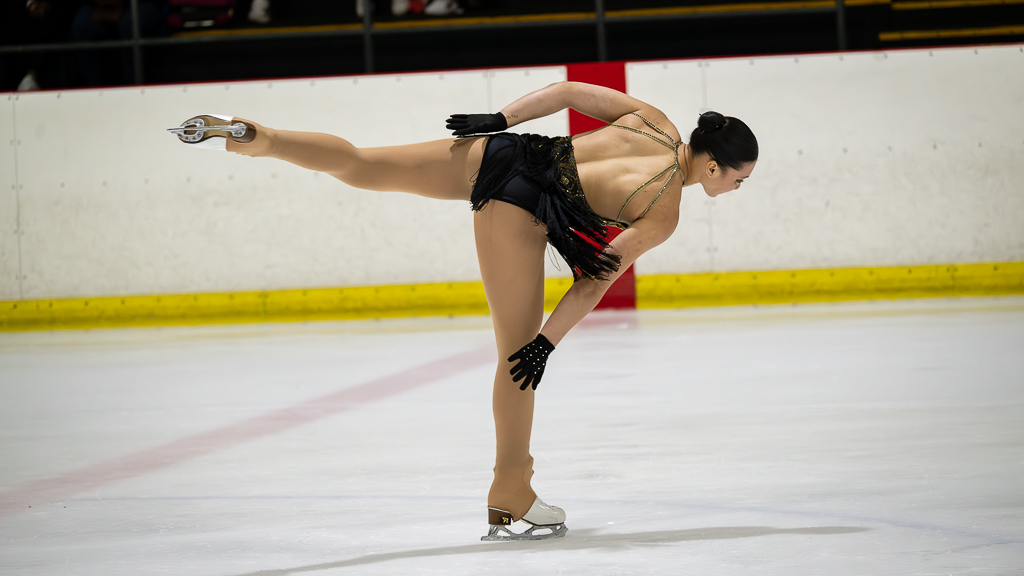
Gian-Quen Isaacs: A tale of a pure figure skating talent. And her resilience, sacrifice, and an unwavering belief that South Africa belongs on the figure skating stage. Image Credit and Copyright: Sport South Africa
Music, Mentors, and Meaning
Her skating programs are as much a story of collaboration as they are of artistry. While her longtime coach Megan Allely-Painczyk often selected her early music — including her current short program — Isaacs now works closely with Ondřej Hotárek, whose surprising choices have unlocked new sides of her expression. “At first, I’m surprised,” she laughs, “but then I realise he hears something in me I don’t yet see.”
She also finds inspiration beyond the rink. South African swimming legend Chad le Clos gave her advice earlier this year that stuck: don’t think of pressure, think of performance. It echoes the guidance of her mental coach, Michael Rodd, whose simple words, “Show up for yourself and don’t stop until you are proud”, have become a mantra.
Looking Ahead
Isaacs has taken a difficult but deliberate break from her studies to focus fully on skating. “It was tough, especially in my family where academics come first, but they understand this is an investment in my future,” she says. Her goals include more senior-level competitions, the Senior World Championships, and ultimately the Winter Olympics.
But she’s equally passionate about what comes after: “I envision a future for South African sport that’s more inclusive, where no one feels less than because of circumstances or background. Growth must be valued above medals, and athletes supported not just on the ice but in mental health and life after sport too.”
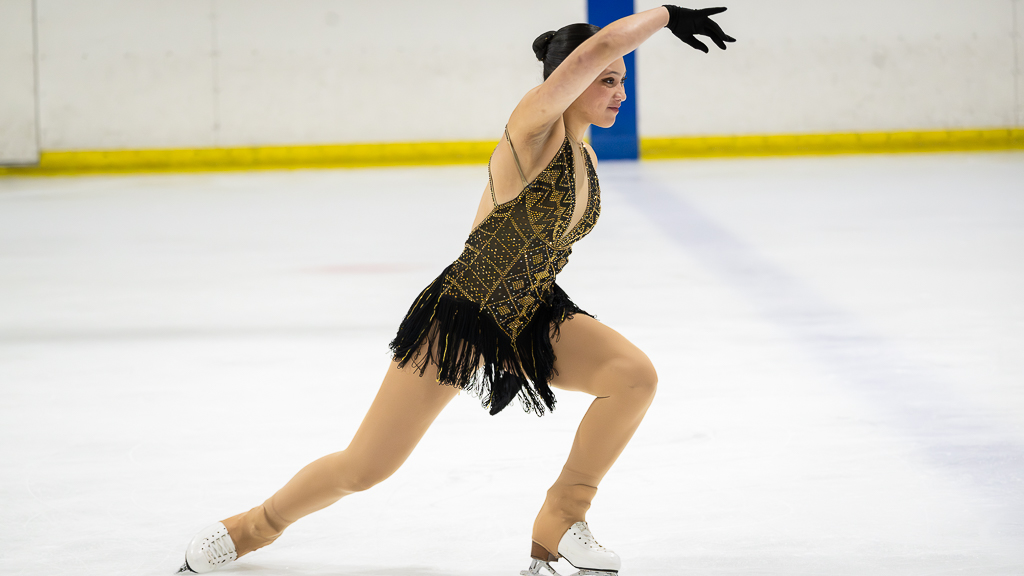
Gian-Quen Isaacs: A tale of a pure figure skating talent. And her resilience, sacrifice, and an unwavering belief that South Africa belongs on the figure skating stage. Image Credit and Copyright: Sport South Africa
The Bigger Picture
For Isaacs, the journey is as much about representation as it is about results. “I may not have earned an Olympic quota spot yet, but every time I step onto the ice, I prove that South Africa is right there, ready to compete with the best.”
With every glide, jump, and spin, Gian-Quen Isaacs is doing more than chasing her Olympic dream, she is carving a path for those who will lace up their skates after her.