JOHANNESBURG — The line between the digital and physical sporting worlds has never been blurrier, and South Africa is officially leading the charge. In an unprecedented achievement, teams and athletes from South Africa have become the first in the world to secure direct qualification across all four core disciplines at the upcoming Games of the Future (GOTF) 2026 in Astana, Kazakhstan.
The milestone not only cements South Africa’s status as a powerhouse in the rapidly expanding world of “phygital” sports but also elevates the nation’s chapter to the highest-ranked Gold member within the World Phygital Community (WPC) ecosystem.
What is Phygital Sport?
For those unfamiliar with the concept, phygital sports represent a revolutionary hybrid competition format. Athletes must prove their dominance across two distinct arenas: first in a digital simulator or esports title, and immediately after in a traditional physical matchup. The ultimate winner is determined by the combined score of both stages.
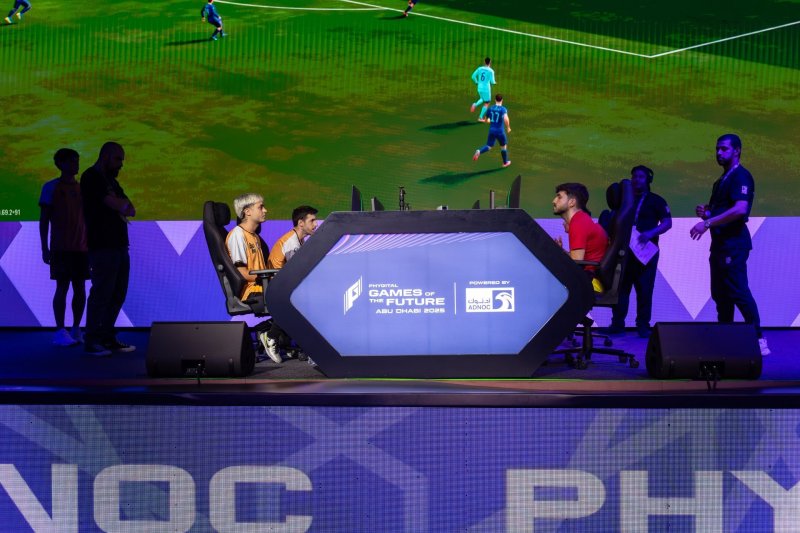
Phygital Football: Teams face off in a football video game simulator before transitioning directly to a real 5v5 pitch, carrying over their digital score.
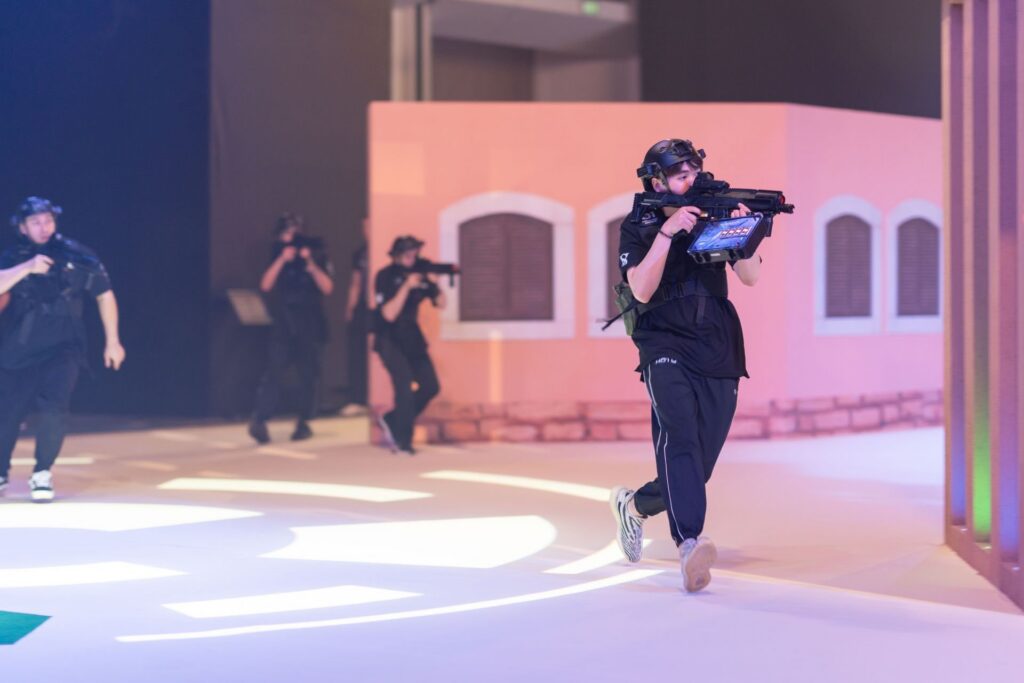
Phygital Shooter: Athletes compete in tactical digital shooters like Counter-Strike 2, followed by a high-intensity, real-world physical combat phase using laser tag systems.
The line between the digital and physical sporting worlds has never been blurrier, and South Africa is officially leading the charge. In an unprecedented achievement, teams and athletes from South Africa have become the first in the world to secure direct qualification across all four core disciplines at the upcoming Games of the Future (GOTF) 2026 in Astana, Kazakhstan - (Image Credit: Phygital Games of the Future - https://gofuture.games/)
The ultimate goal of the movement is to restore balance for the modern athlete, encouraging physical fitness and active lifestyles for a digitally connected generation, ensuring that gamers stay active and physical athletes embrace the virtual worlds.
The Ultimate Stage: Astana 2026
The pinnacle of this movement is the Games of the Future. Set to take place in Kazakhstan’s capital, the global tournament will gather the world’s most elite hybrid athletes to compete for glory and millions in prize money.
Games of the Future 2026
Key Tournament Details
Dates
July 29 – August 9, 2026
Host City
Astana, Kazakhstan
Prize Pool
Over $4 Million USD
Scale
900+ athletes representing over 50 nationalities
South African Entries
Phygital Football, Phygital Basketball, Phygital Dancing, and Phygital Shooter
The line between the digital and physical sporting worlds has never been blurrier, and South Africa is officially leading the charge. In an unprecedented achievement, teams and athletes from South Africa have become the first in the world to secure direct qualification across all four core disciplines at the upcoming Games of the Future (GOTF) 2026 in Astana, Kazakhstan - (Image Credit: Phygital Games of the Future - https://gofuture.games/)
Building a Phygital Ecosystem in South Africa
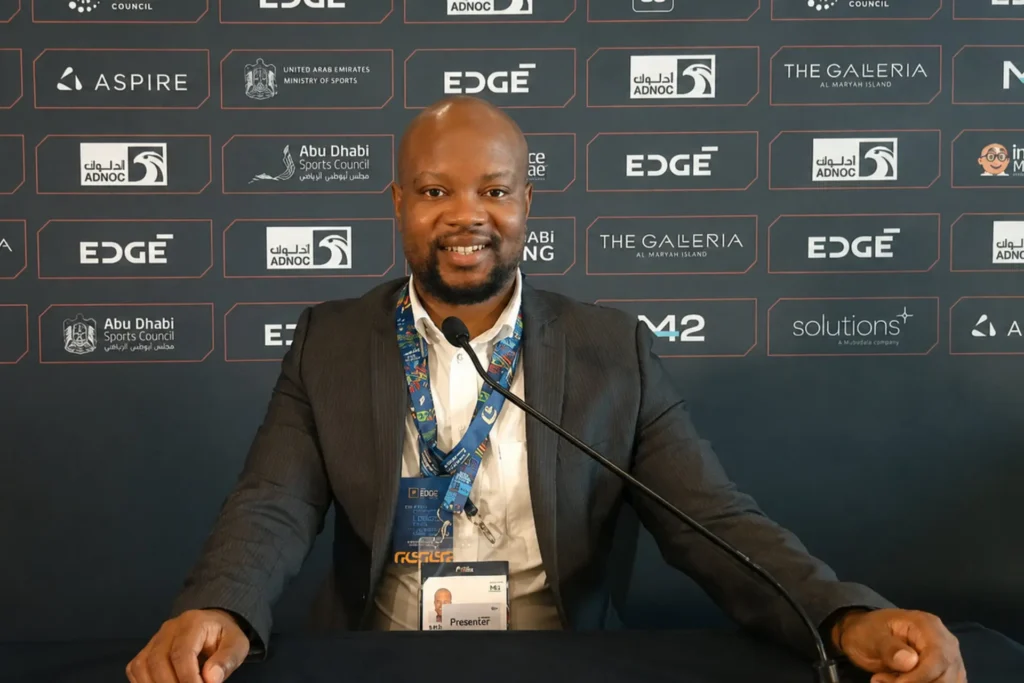
The road to Astana wasn’t without its hurdles. In an Interview shared by World Phygital Community (WPC), Edgar Kagiso Sandamela, CEO of Phygital Games South Africa, noted that introducing the hybrid concept initially required a massive educational effort to change perceptions.
“When we first launched, it was like aliens landing on Earth,” Sandamela explained. “People couldn’t understand that you can combine esports with physical sports. Then athletes started to understand the concept, which created a snowball effect in terms of interest.”
The line between the digital and physical sporting worlds has never been blurrier, and South Africa is officially leading the charge. In an unprecedented achievement, teams and athletes from South Africa have become the first in the world to secure direct qualification across all four core disciplines at the upcoming Games of the Future (GOTF) 2026 in Astana, Kazakhstan - (Image Credit: Phygital Games of the Future - https://gofuture.games/)
Validation for the movement arrived quickly. The participation of massive traditional clubs like Orlando Pirates accelerated public interest and opened crucial doors. Behind the scenes, the organization engaged directly with the Minister of Sports and top traditional coaches to secure institutional buy-in and properly prepare the teams.
To foster community growth, Phygital Games South Africa implemented an innovative, cross-pollinated strategy. “We encouraged football teams to sign up either a basketball player or dancer from their community for the respective Rivals tournaments,” Sandamela shared. “This created local trust and helped drive the phygital movement, as teams and players shared opportunities among each other.”
The organization also leaned heavily into social media—particularly TikTok—to showcase highlights from their local events, turning complex hybrid rules into bite-sized, engaging content that captivated the South African market.
The line between the digital and physical sporting worlds has never been blurrier, and South Africa is officially leading the charge. In an unprecedented achievement, teams and athletes from South Africa have become the first in the world to secure direct qualification across all four core disciplines at the upcoming Games of the Future (GOTF) 2026 in Astana, Kazakhstan - (Image Credit: Phygital Games of the Future - https://gofuture.games/)
Raising the Bar for the Continent
With the South African delegation successfully booking their tickets to Astana for Football, Basketball, Dancing, and the notoriously difficult Shooter category, expectations are high.
“We have set a standard in Africa, and hopefully globally as well,” Sandamela stated. “Our target for 2026 was simply to host all four events locally… this milestone surpassed our wildest imagination.”
Looking ahead to July, the South African squad isn’t just traveling to make up the numbers. Sandamela has outlined a clear three-year plan for a local club to capture a global title, but his immediate target for Astana is firm: he wants all four qualified South African teams to reach at least the semi-finals.
More importantly, he hopes South Africa’s explosive success will serve as a blueprint for the rest of the continent, proving that there is a legitimate, global future for athletes who can master both the controller and the court.
“I would say: just like in any sport, start,” Sandamela advised African athletes eyeing the new frontier. “Phygital sport relies on all members of the team being successful in both the digital and physical stages. There is a role for everyone.”